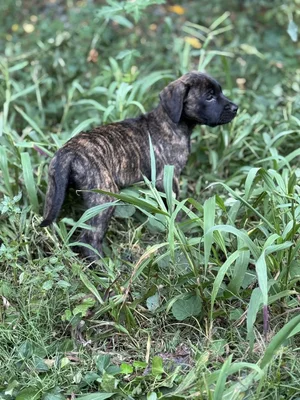
Heat Safety for English Mastiffs: Preventing Heat Stroke and Summer Emergencies
Understanding Heat Stress, Prevention, and Emergency Response for Giant Breeds
Estimated Reading Time: 21–23 Minutes
Last Updated: July 2026
Quick Answer
English Mastiffs are more susceptible to heat-related illness than many smaller dog breeds due to their large body mass, slower heat dissipation, and relatively low surface-area-to-volume ratio. Heat exhaustion and heat stroke can develop rapidly, particularly during hot, humid weather or after strenuous activity. Prevention is always safer than treatment, and early recognition of warning signs can save a dog's life.
At a Glance
English Mastiffs have a higher risk of overheating than many breeds.
Humidity can be just as dangerous as high temperatures.
Heat stroke is a true medical emergency.
Fresh water, shade, rest, and proper timing prevent most heat emergencies.
Frozen enrichment can improve comfort but is not a replacement for proper cooling.
If you suspect heat stroke, begin cooling immediately while seeking emergency veterinary care.
Why This Matters
Every summer, veterinary hospitals across the United States treat thousands of dogs suffering from heat-related illness.
Many of those emergencies are preventable.
English Mastiffs are particularly vulnerable because they generate and retain more body heat than smaller dogs while relying primarily on panting to cool themselves. Once their cooling system becomes overwhelmed, body temperature can rise rapidly, affecting nearly every organ system.
The goal is not to avoid summer—it is to understand it.
With preparation, common sense, and early intervention, most heat-related emergencies can be prevented.
What You'll Learn
In this guide you'll learn:
Why giant breeds overheat more easily
How dogs regulate body temperature
Early signs of overheating
When heat exhaustion becomes heat stroke
Safe summer exercise guidelines
Cooling methods that actually work
Emergency first aid
Common myths about hot weather
How Dogs Cool Themselves
Unlike people, dogs have very few sweat glands.
Instead, they regulate body temperature primarily through:
Panting
Air exchange across the tongue and upper airway
Limited sweating through paw pads
Blood vessel expansion near the skin
When environmental temperatures—or humidity—become too high, these mechanisms become less effective.
Eventually, the body can no longer lose heat as quickly as it is producing it.
That is when overheating begins.
Why English Mastiffs Are at Higher Risk
Several characteristics contribute to increased heat sensitivity.
These include:
Giant body size
Heavy muscle mass
Thick bone structure
Large body volume
Lower surface-area-to-volume ratio
Reduced ability to dissipate heat efficiently
Additional factors may increase risk:
Obesity
Advanced age
Very young puppies
Heart disease
Respiratory disease
Excessive exercise
Poor ventilation
High humidity
Most heat emergencies involve several contributing factors rather than a single cause.
MKA Pro Tip: The weather forecast only tells part of the story. Temperature, humidity, direct sunlight, wind, and ground surface temperatures all influence how quickly your Mastiff can overheat.
Heat Exhaustion vs. Heat Stroke
Understanding the difference is critical.
Heat Exhaustion
The dog is struggling to regulate body temperature but has not yet progressed to severe organ damage.
Signs may include:
Heavy panting
Slowing down
Seeking shade
Excessive drooling
Fatigue
Mild weakness
Prompt cooling and rest often prevent further progression.
Heat Stroke
Heat stroke is a medical emergency.
Body temperature rises high enough to damage the brain, heart, kidneys, liver, gastrointestinal tract, and other organs.
Signs may include:
Collapse
Vomiting
Diarrhea
Bright red or pale gums
Confusion
Loss of coordination
Weakness
Seizures
Unresponsiveness
Immediate veterinary care is essential.
Safe Summer Exercise
Exercise is still important during warmer months.
Simply adjust when and how it occurs.
Good options include:
Early morning walks
Evening walks after sunset
Shaded hiking trails
Frequent water breaks
Shorter activity sessions
Indoor training during extreme heat
Avoid exercising during the hottest part of the day whenever possible.
Pavement Can Be Hotter Than Air
A common mistake is checking only the air temperature.
Concrete, asphalt, and artificial turf may become dramatically hotter than surrounding air.
Hot surfaces can:
Burn paw pads
Increase body temperature
Reflect heat upward
Reduce cooling efficiency
If the surface is uncomfortable for your hand after several seconds, it is likely too hot for prolonged walks.
Hydration Matters
Fresh water should always be available.
Hydration begins long before exercise starts.
Encourage drinking throughout the day rather than waiting until your dog becomes thirsty after activity.
Hydration supports:
Circulation
Temperature regulation
Organ function
Recovery after exercise
Seasonal Feeding
Many owners naturally adjust meals during warmer weather.
At Mastiff Kennel of America, we often provide lighter meals and occasionally offer frozen enrichment such as appropriately prepared raw fish or other moisture-rich foods during the summer months. These treats provide mental enrichment, encourage hydration, and help our dogs cool comfortably after activity.
They should never be viewed as a substitute for:
Fresh drinking water
Shade
Air movement
Rest
Responsible activity planning
Nutrition supports recovery—but prevention remains the most effective protection against heat illness.
What To Do If Your Dog Is Overheating
If you suspect overheating:
Move your dog immediately into shade or an air-conditioned area.
Stop all physical activity.
Offer cool (not ice-cold) drinking water if your dog is alert and willing to drink.
Begin cooling with cool water applied to the body, particularly the belly, groin, and paws.
Use fans or air movement to increase evaporation.
Contact your veterinarian or nearest emergency hospital immediately.
Avoid delaying medical care simply because your dog appears to improve.
Heat-related organ damage can continue after body temperature begins to decrease.
From Our Experience
Summer is one of our favorite times to enjoy our dogs.
We simply adjust our routine.
Our walks begin earlier.
Training sessions become shorter.
Rest breaks become more frequent.
Hydration receives extra attention.
Rather than asking our Mastiffs to adapt to extreme weather, we adapt our schedule to meet their needs.
That small change has made a tremendous difference over the years.
Common Mistake
Many owners assume that because their dog is still walking, everything is fine.
In reality, dogs often continue trying to please their owners long after they begin struggling physically.
Learning to recognize subtle signs of fatigue—and stopping early—is one of the most valuable habits any owner can develop.
Did You Know?
Studies have shown that humidity significantly reduces a dog's ability to cool itself through panting. A moderately warm day with high humidity may pose a greater heat risk than a hotter day with dry air.
Research Spotlight
Veterinary emergency literature consistently identifies rapid cooling and prompt medical evaluation as the cornerstones of successful heat stroke treatment. Early intervention dramatically improves outcomes, while delayed treatment increases the risk of organ damage, clotting disorders, and death.
Myth vs. Fact
Myth: Only extremely hot temperatures cause heat stroke.
Fact: Heat illness can occur at surprisingly moderate temperatures when humidity is high, ventilation is poor, exercise is intense, or a dog's ability to cool itself becomes overwhelmed.
Final Thoughts
Heat should never prevent your English Mastiff from enjoying an active, fulfilling life—but it should always be respected.
By understanding how your dog regulates body temperature, recognizing the earliest warning signs of overheating, and making simple seasonal adjustments, you can dramatically reduce the risk of one of the most preventable emergencies in canine health.
At Mastiff Kennel of America, we believe successful summer ownership isn't about avoiding the outdoors. It's about planning ahead, respecting the environment, and giving every Mastiff the opportunity to enjoy warm weather safely, comfortably, and confidently.