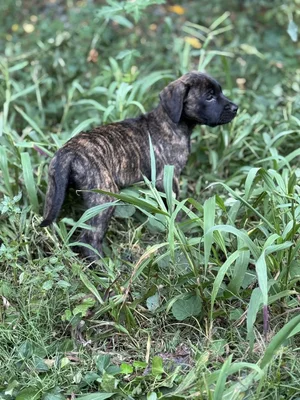
Understanding English Mastiff Pedigrees & Bloodlines
What Pedigrees & Bloodlines Really Mean—and Why They Matter When Choosing a Puppy
Estimated Reading Time: 14–16 Minutes
Last Updated: July 2026
Quick Answer
An English Mastiff's bloodline is much more than a list of names on a pedigree. Bloodlines represent generations of breeding decisions that influence temperament, structure, health, working ability, and overall consistency within the breed.
While champion titles and well-known kennel names can be meaningful, they should never be the only factors considered when choosing a puppy. Responsible buyers should look at the complete picture, including the breeder's goals, the health and temperament of the parents, early puppy development, and the lifelong support offered after the puppy goes home.
What Is a Bloodline?
Simply put, a bloodline is a family's history.
Just as people often inherit certain physical features or personality traits from their parents and grandparents, dogs inherit characteristics through generations of selective breeding.
When breeders discuss bloodlines, they are referring to the ancestry behind a puppy. A pedigree records those generations, showing parents, grandparents, and earlier relatives that contributed to the puppy's genetics.
A strong bloodline does not guarantee a perfect puppy, but it can provide insight into the consistency of traits that have been intentionally preserved over time.
Why Bloodlines Matter
Every responsible breeding decision is made with the future in mind.
Over multiple generations, breeders work to preserve qualities that define the English Mastiff, including:
Stable temperament
Sound structure
Breed type
Confidence
Longevity
Working ability
Family companionship
Overall health
Consistency is one of the greatest goals of responsible breeding. The more predictable these qualities become across generations, the more confidence breeders have in the puppies they produce.
Understanding a Pedigree
A pedigree is often misunderstood.
It is not a report card.
It is not a guarantee.
Instead, think of it as a family tree.
Each generation provides information about the dogs that came before, allowing breeders to study inherited characteristics and make thoughtful breeding decisions.
Experienced breeders often spend years researching pedigrees before planning a single litter.
Did You Know? A five-generation pedigree contains more than 60 individual ancestors. Every one of those dogs contributed a small portion of the genetics found in today's puppy.
Do Champion Bloodlines Matter?
The phrase champion bloodlines is commonly used in advertisements, but many buyers are unsure what it actually means.
In most cases, it indicates that one or more dogs within the pedigree earned championship titles by meeting established breed standards in conformation competition.
These accomplishments demonstrate that a dog was evaluated by multiple judges against the official breed standard.
However, championship titles should be viewed as one piece of the overall picture—not the entire picture.
A wonderful family companion can come from champion bloodlines, but titles alone do not evaluate temperament, daily care, early socialization, or whether a puppy is the best fit for your family.
Research Spotlight
Selective breeding has long been used to preserve predictable physical and behavioral traits in purebred dogs. Modern canine genetics continues to improve our understanding of inherited characteristics, but genetics represent only part of the equation. Environment, nutrition, healthcare, training, and socialization all contribute to the adult dog a puppy becomes.
Bloodlines Are More Than Names
Many respected English Mastiff kennels have spent decades developing their breeding programs.
Over time, certain kennel names become associated with qualities such as excellent temperament, sound movement, strong breed type, or success in conformation, therapy, or working roles.
While experienced breeders often recognize these names, prospective owners should avoid assuming that a familiar kennel name automatically guarantees quality.
Instead, ask what characteristics those bloodlines are known for and how they complement the goals of the current breeding program.
Understanding the "why" behind a pedigree is far more valuable than simply recognizing a famous name.
MKA Pro Tip: When reviewing a pedigree, ask your breeder what qualities they hoped to preserve by pairing the sire and dam. Their explanation will often reveal far more than the pedigree itself.
Genetics Influence Potential—Not Destiny
One of the most important concepts prospective owners can understand is the difference between genetics and environment.
Genetics provide a puppy's potential.
The environment helps determine how much of that potential is realized.
Responsible breeding establishes the foundation, while proper nutrition, training, healthcare, socialization, and daily experiences continue shaping the dog throughout its life.
Neither genetics nor environment works alone.
Should You Choose a Puppy Based Only on Bloodlines?
Generally, no.
Bloodlines should certainly be considered, but they should never outweigh the individual puppy standing in front of you.
Temperament, confidence, curiosity, recovery from new experiences, health information, breeder support, and your family's lifestyle all deserve equal consideration.
The goal is not simply to own an impressive pedigree.
The goal is to raise an exceptional companion.
From Our Experience
At Mastiff Kennel of America, we appreciate the history behind every pedigree, but we believe bloodlines should always be viewed as part of a much larger picture.
Generations of thoughtful breeding can help preserve desirable qualities, yet every puppy is still an individual with its own personality and strengths.
When we discuss our breeding dogs with prospective families, we focus not only on pedigree but also on temperament, health, structure, and the characteristics we hope to continue preserving for future generations.
For us, a pedigree tells the story of where a puppy comes from. How that puppy is raised helps shape where it is going.
MKA Bloodline Spotlight: Our breeding program includes dogs from the well-known Lazy D lineage, a kennel recognized by many English Mastiff enthusiasts for producing numerous Champions and Grand Champions. While we appreciate the history behind these bloodlines, we believe a pedigree is only one part of responsible breeding. Equal emphasis should be placed on temperament, health, early development, and matching each puppy with the right family.
Common Mistake
Many buyers become so focused on finding famous bloodlines that they overlook the breeder raising the puppy.
A pedigree may describe generations of ancestry, but it cannot tell you how puppies are socialized, how they are cared for each day, or whether the breeder provides lifelong support.
Always evaluate the complete breeding program—not just the names printed on a registration certificate.
Myth vs. Fact
Myth: Champion bloodlines automatically produce champion puppies.
Fact: Every puppy is unique. While strong pedigrees may increase consistency within a breeding program, individual genetics, health, development, training, and environment all influence how a puppy matures.
Questions You Should Ask a Breeder About Bloodlines
When discussing pedigrees, consider asking:
What qualities are these bloodlines known for?
Why did you choose this particular pairing?
What traits were you hoping to preserve or improve?
Are there common strengths seen throughout these generations?
How do these bloodlines complement the goals of your breeding program?
Thoughtful answers often reveal a breeder's long-term vision more clearly than a pedigree alone.
Related Articles
Continue learning in the Mastiff Learning Center:
Is the English Mastiff the Right Dog for Your Family?
How to Choose an Ethical English Mastiff Breeder
Questions Every Breeder Should Answer
How to Choose the Right English Mastiff Puppy for Your Family
The Official Standard of the Mastiff
The Complete English Mastiff Puppy Timeline
Final Thoughts
Bloodlines are an important part of every English Mastiff's story, but they are only the beginning.
Responsible breeding is about preserving the qualities that make the English Mastiff one of the world's most respected giant breeds while giving every puppy the opportunity to thrive through thoughtful care, socialization, and lifelong support.
As you research breeders, remember that the strongest breeding programs combine generations of careful planning with transparency, education, and a genuine commitment to every puppy they produce.
At Mastiff Kennel of America, we believe understanding a pedigree should empower puppy buyers—not intimidate them. An informed owner is better prepared to appreciate the history behind their companion while focusing on what matters most: building a lifetime of trust, companionship, and responsible care.