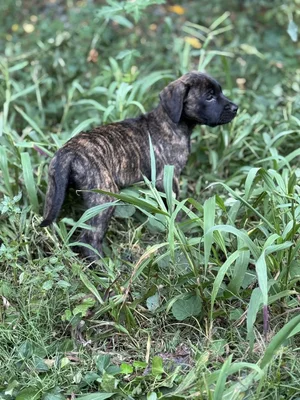
Why Is My English Mastiff Puppy Sleeping So Much?
Understanding Normal Sleep Patterns, Growth, and Development in Giant Breed Puppies
Estimated Reading Time: 12–15 Minutes
Last Updated: July 2026
Quick Answer
English Mastiff puppies sleep significantly more than adult dogs because sleep is essential for rapid growth and neurological development. It is normal for a young Mastiff puppy to sleep 16 to 20 hours per day, especially during the first several months of life.
In most cases, increased sleep is not a sign of illness or low energy—it is a normal and necessary part of healthy development.
At a Glance
Best For: Owners with puppies 8 weeks to 12 months
Difficulty: Beginner
Primary Focus: Understanding normal sleep behavior in giant breed puppies
Key Concept: Sleep is a critical part of physical growth and brain development
Understanding Puppy Sleep Patterns
Unlike adult dogs, puppies do not follow a simple “wake during the day, sleep at night” cycle.
Instead, their sleep is broken into multiple cycles throughout the day. This is especially true for English Mastiffs due to their size and rapid developmental rate.
A typical puppy schedule may include:
Short bursts of play
Feeding and potty breaks
Training sessions
Followed by deep rest periods
This cycle repeats throughout the day.
Why English Mastiff Puppies Sleep So Much
There are several biological and developmental reasons for extended sleep:
1. Rapid Physical Growth
English Mastiffs are one of the largest dog breeds in the world. Their bodies grow quickly, requiring significant energy and recovery time.
2. Brain Development
During sleep, puppies process new experiences, store learning, and develop cognitive connections. Training, socialization, and environmental exposure are all reinforced during rest.
3. Energy Conservation
Growing bodies use more energy than adult dogs. Sleep helps conserve and restore that energy efficiently.
4. Immature Nervous System
Young puppies have developing nervous systems that require frequent rest to regulate stimulation and emotional balance.
What Normal Sleep Looks Like
Normal sleep in English Mastiff puppies includes:
Deep, heavy naps during the day
Sudden transitions between play and sleep
Sleeping through household noise once comfortable
Longer sleep after exercise or mental stimulation
Puppies may fall asleep quickly and in unusual positions, which is completely normal.
When Sleep Is NOT a Concern
In most cases, frequent sleeping is healthy.
It is typically not a concern if your puppy:
Eats normally
Drinks water regularly
Wakes up alert and responsive
Plays enthusiastically when awake
Maintains steady growth
These are signs of a healthy, developing puppy.
When to Monitor More Closely
While sleep is normal, there are situations where increased lethargy may require attention.
Consult a veterinarian if your puppy:
Refuses to wake or respond normally
Shows lack of interest in food for extended periods
Appears weak or uncoordinated when awake
Has sudden changes in behavior or energy
Shows signs of pain or discomfort
It is always better to rule out health concerns when behavior changes suddenly.
The Importance of Sleep for Training
Many owners mistakenly try to train puppies when they are overly tired or overstimulated.
However, sleep plays a direct role in learning.
Well-rested puppies:
Learn faster
Retain commands more effectively
Show better focus
Exhibit fewer behavioral issues
Overtired puppies often become:
Hyperactive
Mouthy
Distracted
Emotionally reactive
Structured rest is just as important as structured training.
From Our Experience
At Mastiff Kennel of America, we consistently see that new owners underestimate how much sleep giant breed puppies require.
Many families initially worry that their puppy is “lazy” or “too calm,” when in reality the puppy is simply following a natural developmental pattern.
Once owners adjust expectations and allow proper rest cycles, they often notice improvements in behavior, focus, and overall temperament.
Sleep is not downtime—it is development time.
Common Mistake
One of the most common mistakes owners make is over-stimulating puppies during their awake periods.
When puppies are kept active for too long without adequate rest, they often become:
More hyperactive
More prone to biting
Less responsive to training
More emotionally reactive
Balancing activity with rest is essential for healthy development.
Did You Know?
Puppies can enter deep sleep rapidly after play or training sessions because their bodies prioritize recovery. This rapid transition helps support both physical growth and memory consolidation.
Myth vs. Fact
Myth: A puppy that sleeps a lot is lazy or unhealthy.
Fact: Excess sleep is normal and necessary for growing English Mastiff puppies and supports both physical and neurological development.
Related Articles
Why Is My English Mastiff Puppy Biting Everything?
Teething in English Mastiffs: What to Expect and How to Help
Understanding Fear Periods in English Mastiffs
The First 30 Days With Your English Mastiff Puppy
Early Socialization: The First 8 Weeks That Shape Your English Mastiff for Life
Understanding English Mastiff Temperament: Puppy vs. Adult Behavior
The Complete English Mastiff Puppy Timeline: What to Expect From 8 Weeks to 2 Years
Final Thoughts
Sleep is one of the most important—and most misunderstood—parts of early English Mastiff development.
What may appear as inactivity is actually a highly active period of growth, recovery, and neurological development. When properly supported with routine, structure, and balance, sleep becomes one of the most powerful tools in raising a healthy, stable, and well-adjusted giant breed dog.
At Mastiff Kennel of America, we encourage owners to view rest as an essential part of training and development—not something to reduce, but something to protect.